
How to Read Tactical Changes, Lineup Depth and Recent Form Before a Match
Three findings stand out when you study football matches instead of just watching them. First, a tactical change within the first twenty minutes usually matters more than any pre-match headline about missing players. Second, lineup depth is not about having one famous substitute—it is about having several players who can do more than one job. Third, recent form only tells the truth when you filter it through the level of opposition and the minutes each player actually logged. This guide explains how to use those three pieces of information the way experienced bettors and coaches do.
Quick Answer: The Three-Step Method
Read any match in three simple steps.
- Identify the tactical baseline. What formation does the team use, and how do they build from the back?
- Compare the bench to the starting eleven. Look for multi-role players, not just big names.
- Filter recent form by context. Wins against weak sides mean less than competitive losses to top teams.
This gives you a structured way to evaluate teams without relying on gut feeling. For further reading on match analysis and betting angles, you can browse the sports guide at ad88 before you place any wager.
 Hình minh hoạ: ad88
Reading Tactical Changes: What to Watch
A team sheet is only a snapshot. What matters is what the coach changes once the game starts. Watch for three signals.
1. Formation Shifts
A switch from a back four to a back three changes the space on the wings. If a team starts with a 4-3-3 and then goes to a 3-5-2 after halftime, the wing-backs become the main supply line. The midfield also narrows, which means the opponent’s central defenders have to step forward more.
2. Pressing Trigger
Notice when the team decides to press high. Some teams press only when the goalkeeper plays a short pass. Others wait until the ball reaches the center circle. The timing of the press tells you whether the coach is willing to take risks or wants to control the tempo.
3. Positional Rotations
Watch one attacking player in particular. A winger who drifts inside creates space for the full-back to overlap. A striker who drops deep forces the opposition defenders to decide between following him or holding their line. These rotations are hard to spot live, but they become obvious when you review the match with a pen in hand.

Lineup Depth: More Than a Strong Bench
Lineup depth is about covering weaknesses, not collecting names. A substitute who can play both center-back and defensive midfield is often more valuable than an expensive winger who only fits one system.
- Count how many substitutes have started at least five matches this season. That number shows real depth.
- Check if the bench includes at least one experienced leader who can calm the team when the score is tight.
- Look for fixture congestion. A team playing three matches in eight days will rotate, and the quality of the second-choice eleven decides the result.
Depth also matters in specific game states. A coach who can bring on a defensive midfielder when protecting a one-goal lead has a clear advantage over a coach who only has forwards to choose from.
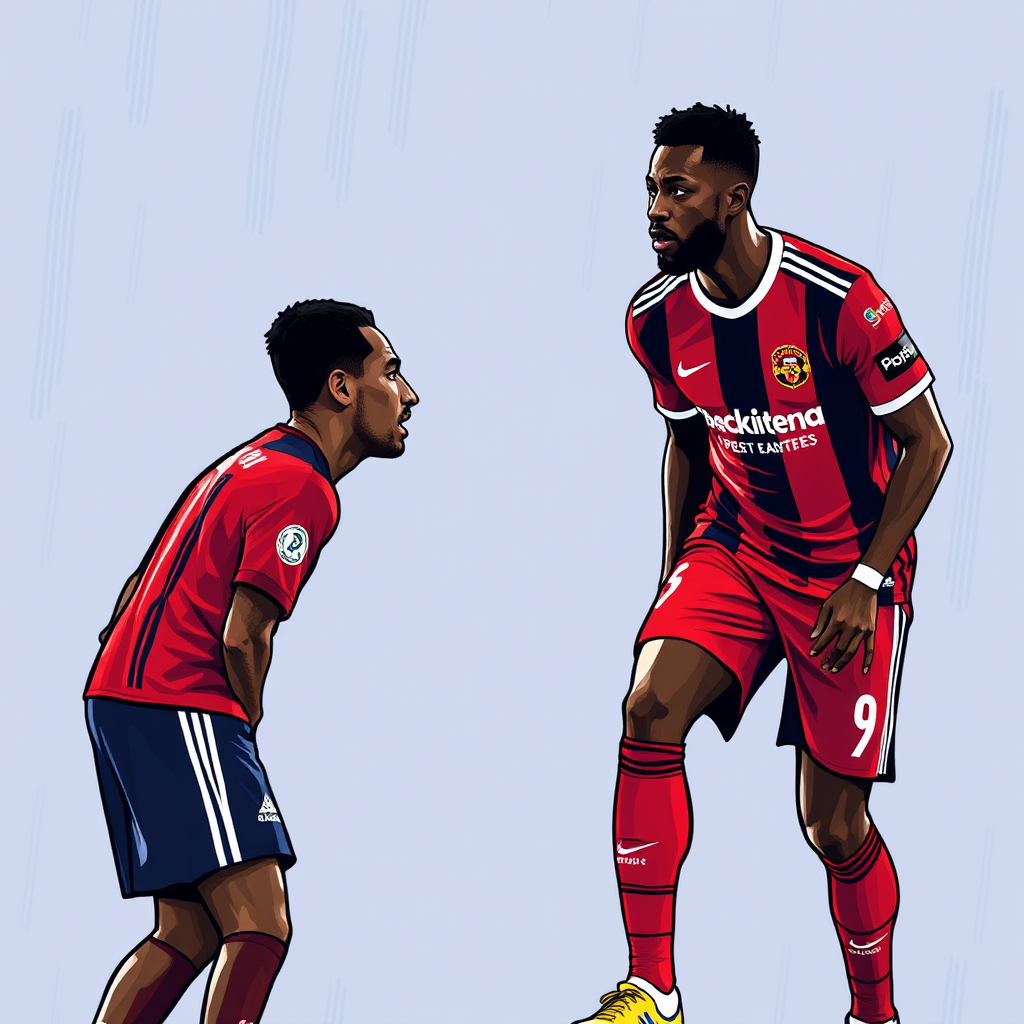
Recent Form: Context Beats Raw Numbers
Recent form should never be read as a simple streak of wins and losses. A team that lost 2-1 to a title contender while missing three starters might be in better shape than a team that beat a bottom-half side with a fully rested squad.
Use these filters when evaluating form:
- Opposition quality. Rank the last five opponents by league position and budget.
- Minutes and fatigue. Check how many starters played the full ninety minutes in the previous match.
- Expected goals. If a team keeps conceding high-quality chances but wins anyway, the form is fragile.
- Set-piece patterns. A team that scores several goals from corners may be overachieving relative to its open-play quality.
This same logic applies to the gaming side of sports. The Bắn Cá AD88 section, for example, asks you to read patterns and adapt quickly—just like reading a football match. Transfer that mindset: observe, adjust, and set limits.

Why Each Step Matters
Tactical changes matter because they change the probability of the next goal. A team that shifts to a back three to defend a lead is inviting pressure on the wings. That pressure creates corners, crosses, and second balls—situations where defensive mistakes happen.
Lineup depth matters because it determines how a team responds to fatigue and injuries. The starting eleven wins the first half, but the substitutes decide the last thirty minutes.
Recent form matters because it reveals momentum and confidence. Yet without context, form is misleading. A team playing well against strong opponents is a better signal than a team that crushed weak opponents at home.
Risk Management Tips
Even with all this analysis, football remains unpredictable. A red card, an early injury, or a single goalkeeping error changes everything. Keep these risk rules in mind:
- Set a bankroll limit before the match. Decide how much you are willing to lose and do not exceed it.
- Avoid betting on your favorite team. Emotional attachment distorts your reading of the data.
- Look for value, not certainty. If the bookmaker’s odds reflect eighty percent probability and you estimate fifty percent, stay away.
- Review after the match. Write down what you predicted and what actually happened. That log is the fastest way to improve.
Remember that no strategy guarantees winnings. Responsible participation means treating analysis as a tool, not a promise.
Match-Day Mini-Audit: A Quick Checklist
- What formation is written on the team sheet, and what formation do they actually use?
- Which player on the bench can play more than one role?
- How many starters played over 270 minutes in the last week?
- Did the opponent’s last five matches include any easy wins that inflate their confidence?
- What is the coach’s pattern when leading or trailing after 60 minutes?
Selected FAQ
What is the single best indicator of tactical change during a match?
The moment a coach switches formation after conceding a goal. That decision reveals whether the team will chase the game or protect the scoreline.
How many substitutes should I examine before judging lineup depth?
Look at the full bench, but focus on the three most likely to enter the pitch. If those three players have started regularly this season, the depth is genuine.
Is recent form more important than head-to-head history?
Recent form is usually more relevant because squads and coaches change quickly. Head-to-head history matters mainly when two teams have similar current form and playing styles.
Can tactical analysis really improve my betting outcomes?
It improves your reading of a match, which helps you avoid obvious traps. It does not guarantee winning bets, and you should always treat betting as an entertainment expense.
Final Recommendations by Reader Group
Casual fans should start with the tactical baseline and the pressing trigger. That alone will make matches more interesting and easier to follow.
Bettors should prioritize fixture congestion and bench depth. Those two factors are often underpriced by bookmakers who rely on team-name reputation.
Fantasy managers should watch positional rotations more than results. A winger who drifts inside becomes a scoring threat, while a full-back who overlaps earns assists.
Amateur coaches should keep a match log with the checklists above. After ten matches, you will see patterns in your own decisions that no highlight reel can show.